

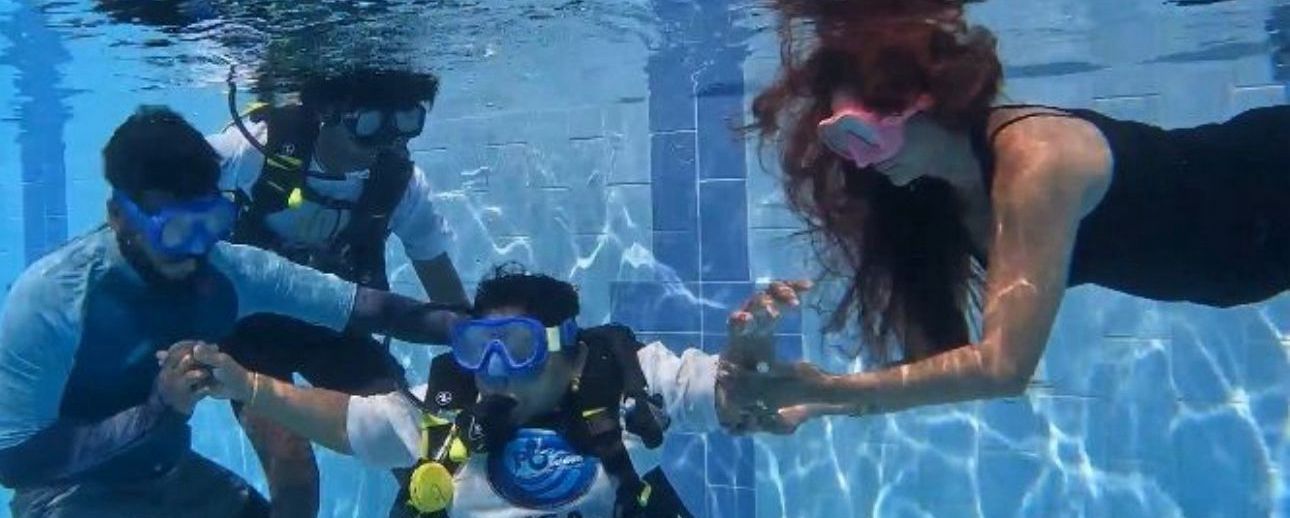
Mumbai, June 8 — As the world marks World Oceans Day, environmental educator, ocean advocate, and founder of Accessible Ocean Tourism, Elsie Gabriel, is challenging one of the most overlooked barriers in marine conservation: exclusion.
For over a decade, Gabriel has been pioneering efforts to make the ocean accessible to persons with disabilities, proving that marine conservation is strongest when everyone has a place within it.
Inspired by the United Nations Sustainable Development Agenda’s commitment to “Leave No One Behind,” Gabriel has built programmes that open the underwater world to people who have traditionally been excluded from marine tourism, scuba diving, and conservation initiatives.
From the coral reefs of the Maldives and Sri Lanka to the waters of Goa, Kerala, Havelock Island in the Andamans, and Lakshadweep, Gabriel has worked alongside dive operators, educators, conservationists, and communities to train and support divers with disabilities, helping establish more inclusive approaches to ocean exploration and stewardship.
Her work extends beyond physical disabilities. Through Accessible Ocean Tourism and ocean literacy initiatives, she has championed opportunities for wheelchair users, neurodiverse youth, individuals with cognitive disabilities, and young people facing trauma, anxiety, and stress-related challenges.
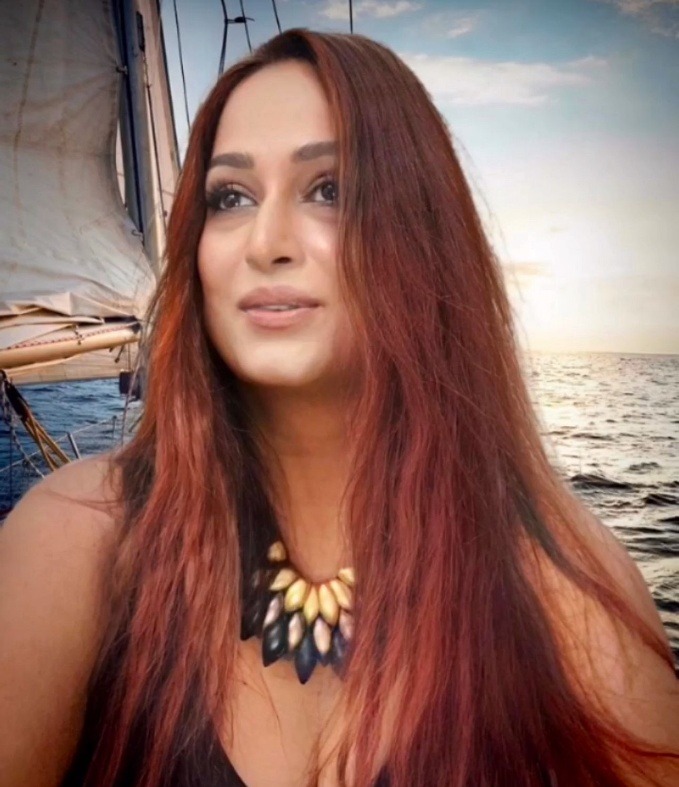
“The ocean is one of the few places where labels disappear,” says Gabriel. “Underwater, people discover abilities instead of limitations. I’ve seen young people gain confidence, independence, and a sense of purpose simply by connecting with the ocean. Conservation begins when people feel they belong.”
As nations work toward the goals of the UN Ocean Decade 2030, Gabriel argues that inclusion is not merely a social objective but a conservation necessity.
“We cannot solve the ocean crisis while excluding millions of people from participating in solutions,” she says. “The future of ocean conservation requires all hands on deck. Every young person deserves the opportunity to experience, study, protect, and advocate for our oceans.”
Her philosophy aligns with global efforts to promote accessibility, participation, and equal opportunities for persons with disabilities. International health and development agencies have consistently emphasized that inclusive environments contribute to better well-being, stronger communities, and greater social participation.
For Gabriel, the ocean is also a powerful space for healing.
“In today’s fast-paced and digitally overwhelmed world, the ocean offers something rare: presence, connection, and perspective,” she explains. “Whether it’s a young person dealing with anxiety, a child with autism, or someone recovering from trauma, the ocean can become a space for growth, resilience, and transformation.”
Over the years, she has witnessed participants evolve from first-time snorkelers and hesitant divers into confident ambassadors for marine conservation. Many have gone on to participate in citizen science projects, reef monitoring, beach clean-ups, environmental campaigns, and ocean education programmes.
Beyond recreation, Gabriel envisions a future where disabled youth are represented in marine science, research, conservation leadership, sustainable tourism, and ocean policy.
Her call to action is directed at governments, educational institutions, tourism stakeholders, and conservation organizations: make accessibility a cornerstone of ocean action.
“The ocean belongs to all humanity,” she says. “If we truly believe in sustainability, then accessibility must become part of the solution. By empowering people of all abilities to engage with the marine environment, we are not only creating better conservation outcomes we are creating a more equitable world.”
As the international community works toward restoring ocean health by 2030, Gabriel’s work serves as a reminder that conservation is not just about protecting ecosystems. It is also about ensuring that every person has the opportunity to participate in protecting them.
On this World Oceans Day, her message resonates with urgency and hope: the future of the ocean depends on inclusion, and no one should be left behind.
Elsie Gabriel
Founder, Accessible Ocean Tourism
Ocean Educator | Conservation Advocate
Mumbai, India
